Production scheduling is often discussed as a spreadsheet problem, but the schedule only works when people can see what is happening on the factory floor. A well-planned manufacturing video can make constraints, hand-offs and available capacity easier to understand before a planning meeting turns into a debate.
The most useful footage is not a glossy tour. It shows the sequence of work, the points where material waits, and the practical decisions operators make to keep orders moving. That visual evidence gives production, engineering and commercial teams a shared reference for decisions that are otherwise based on assumptions.
Show the real conditions behind the schedule
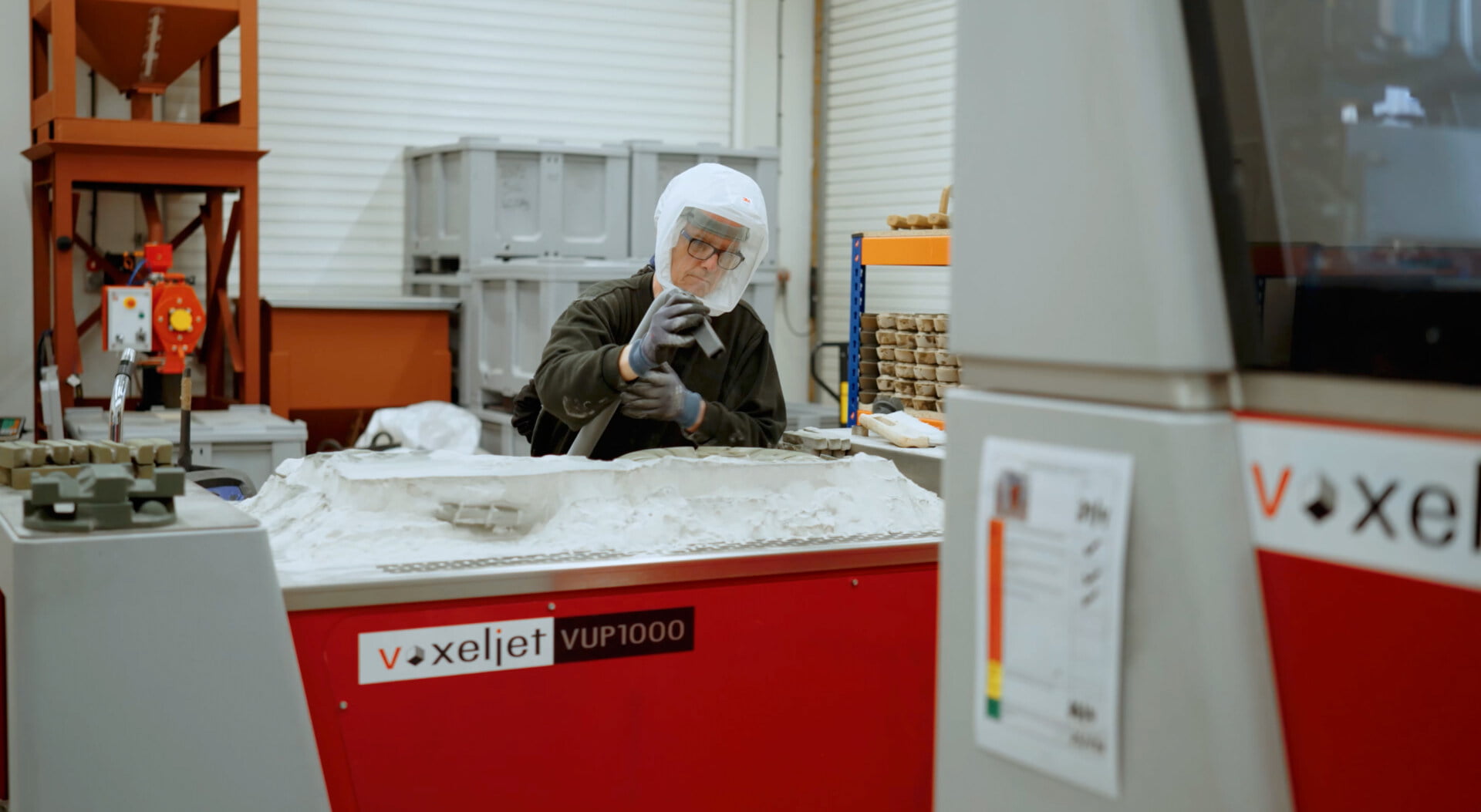
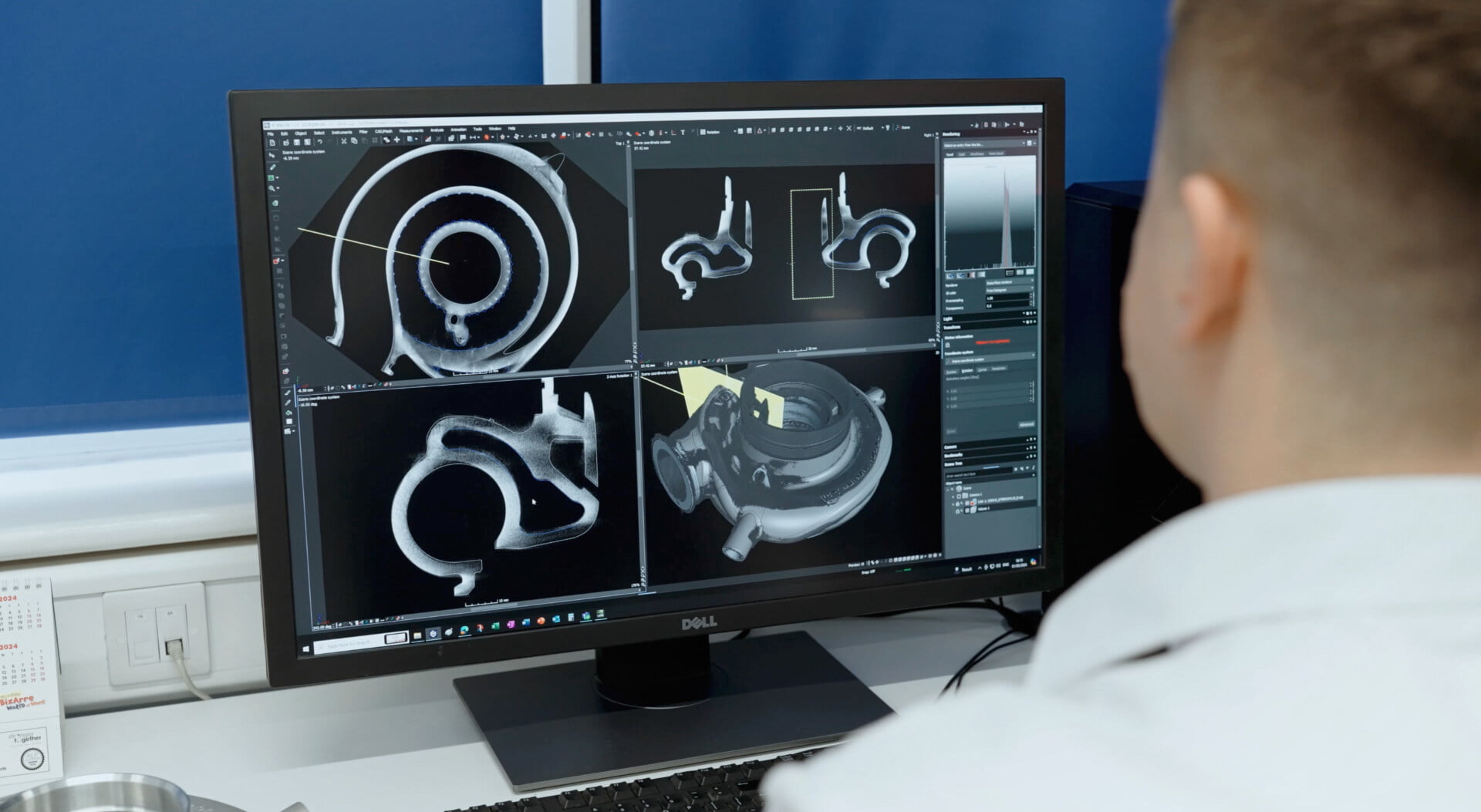
Begin with the areas that shape the plan: goods-in, preparation, key work cells, inspection and dispatch. Film the movement between them as well as the machines themselves. A short sequence can reveal whether a stated lead time depends on a single specialist, a shared test station or a changeover that is regularly underestimated.
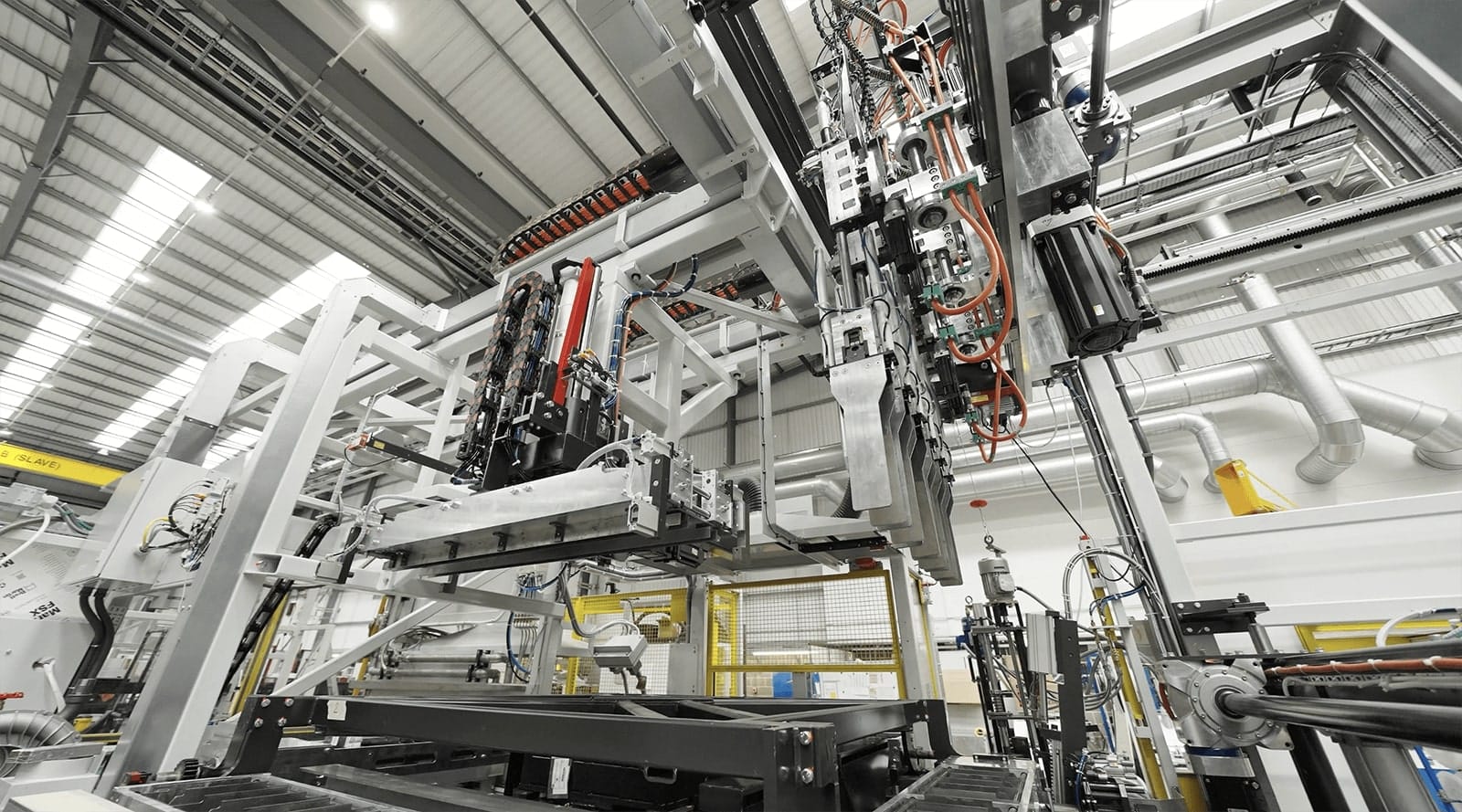
Keep the camera close enough to show detail, then widen the view to establish distance and flow. Cutaways of queues, staging zones and tool changes add context without turning the film into a catalogue of equipment. This is where production line balancing becomes easier to discuss: viewers can connect a timing issue with the physical layout that creates it.
Use interviews to explain scheduling decisions
Ask planners and supervisors to explain what they check before committing a slot. Prompts might cover material availability, labour cover, maintenance windows, quality holds and the signals that trigger a resequence. Short, specific answers are more valuable than a general company statement because they show how the schedule responds to change.
Operators can add the detail that planning data cannot. They may know which setup is repeatable, which job needs extra first-off inspection or which apparent bottleneck disappears when work is prepared earlier. Capturing that knowledge also supports shift-based knowledge transfer, especially when several teams work different patterns.
Turn the finished film into a planning tool
Organise the edit around decisions rather than departments. A sequence might move from the order promise to the production constraint, then show the practical countermeasure and the evidence that it worked. Add simple captions for stages, ownership and lead-time assumptions so the film remains useful when a new person watches it months later.
Keep versions short enough to use in daily or weekly meetings. A longer master film can sit alongside focused clips for changeovers, inspection capacity or dispatch readiness. When a plan changes, replace the affected clip rather than rebuilding every asset. This makes the content more durable and complements the use of video in production meetings.
Measure whether the video improves the conversation
The outcome is not simply more views. Look for quicker agreement on constraints, fewer repeated explanations and clearer ownership when a job moves. If the same section is paused or questioned repeatedly, that is useful feedback: the process may need better visual evidence, a clearer standard or a more realistic planning assumption.
With the right structure, manufacturing video becomes a practical layer between the schedule and the work itself. It helps teams see why a plan is achievable, where it is vulnerable and what needs to happen next—making production scheduling more grounded, collaborative and easier to improve.