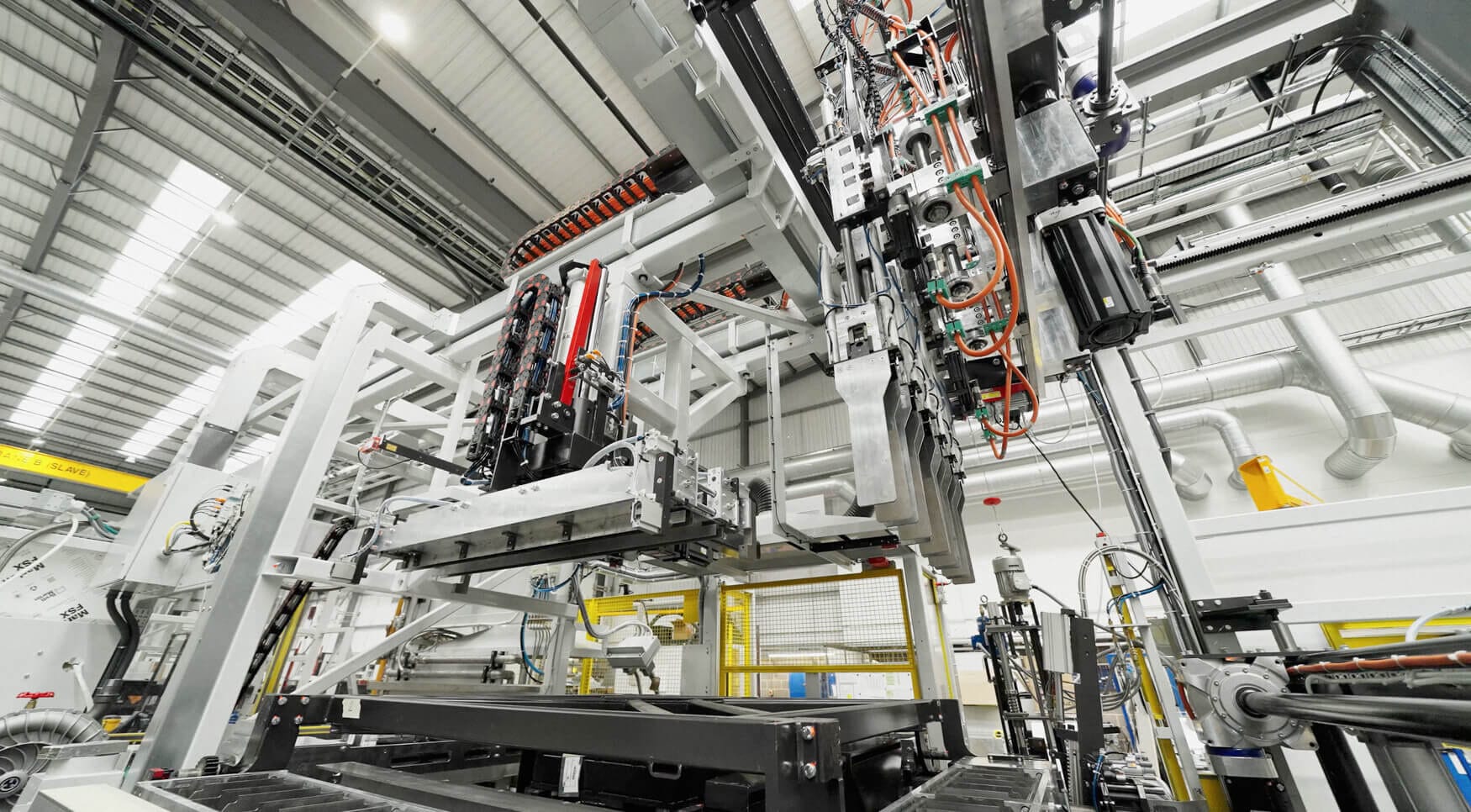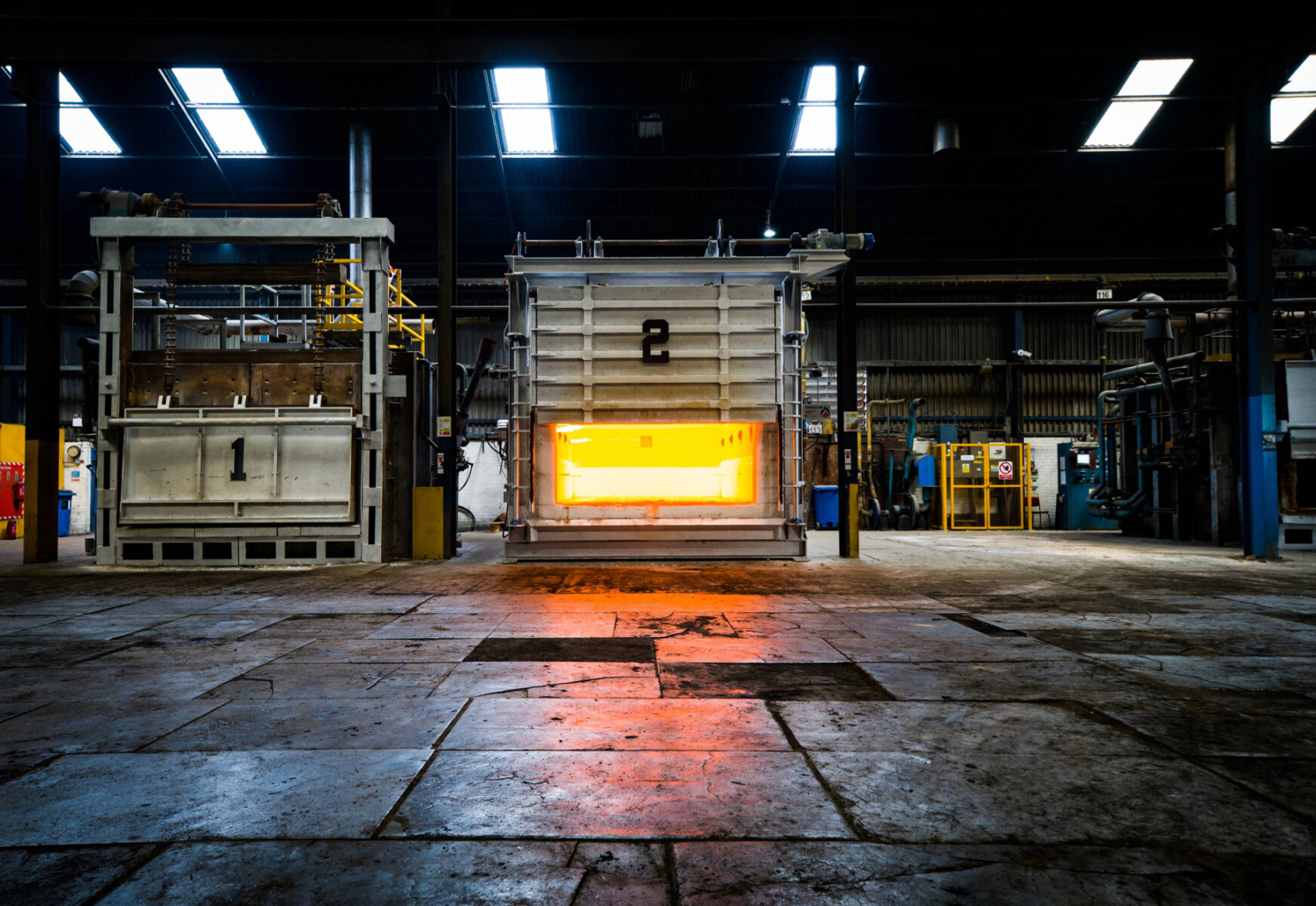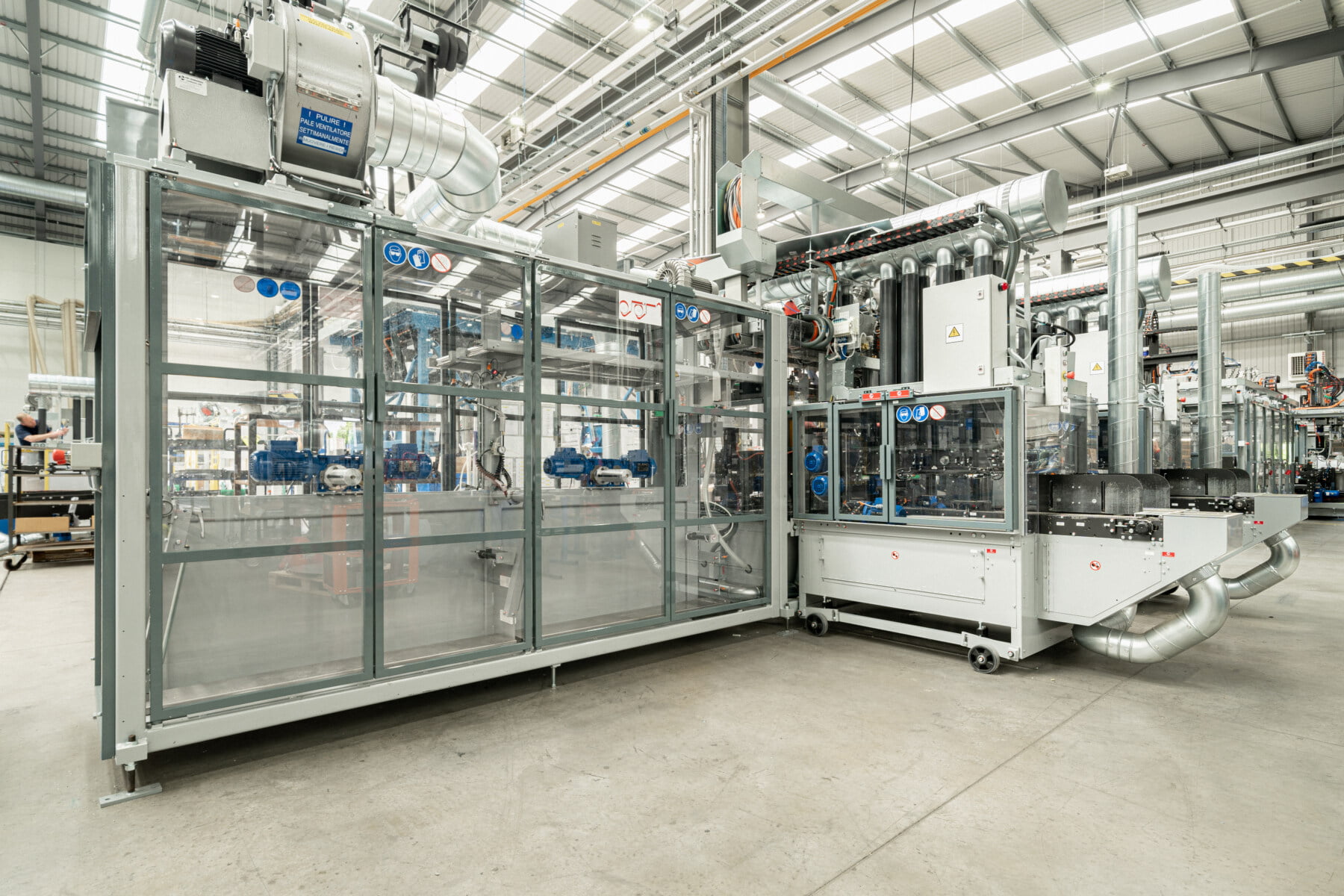
Production line reliability is often discussed through maintenance schedules, downtime figures and engineering reports. Those measures matter, but they do not always show how work is actually carried out when a line is running well—or what changes when reliability starts to slip. Manufacturing video production can add a practical visual layer to that information, helping teams see repeatable behaviours, small sources of variation and the conditions surrounding an interruption.
Make reliable work visible
A reliable line is built from many decisions made in sequence: how materials are presented, how equipment is set up, how checks are completed and how operators respond to early warning signs. Written procedures can describe those steps, but video can show timing, movement and context together. A short sequence may reveal that a component is routinely placed out of reach, that a check is performed differently across shifts or that a machine is being approached in a way that creates avoidable delay.
This does not mean filming people to find fault. The useful question is what the process makes easy or difficult. When a team reviews footage with that mindset, the discussion can move away from assumptions and towards observable evidence. The result is a more constructive conversation about line design, standard work and the support operators need.
Capture the conditions around a stoppage
Reliability problems rarely begin with the final alarm. They can develop through a sequence of minor issues: a replenishment task taking longer than expected, a sensor becoming difficult to access, an inspection being postponed or a handover leaving uncertainty about the next job. Carefully planned footage can document those surrounding conditions without trying to turn every production interruption into a polished marketing film.
That visual record becomes especially valuable when several people need to understand the same event. Maintenance, production, quality and engineering teams can review the same moment and identify where their responsibilities meet. Used alongside machine data and maintenance records, video helps distinguish a one-off incident from a recurring pattern.
Support root cause conversations
When a line stops, the first explanation is not always the most useful one. A video review can help teams separate the visible symptom from the contributing conditions. For example, the footage might show that a jam occurred after a changeover, but also that the setup reference was hard to read or that the first-piece check was interrupted. This kind of context can strengthen a structured investigation and make corrective actions more specific.
It can also complement a formal root cause analysis process by giving participants a shared reference point. The film should not replace engineering judgement or data; it should make the practical reality easier to examine together.
Compare standard work across shifts
Line reliability depends on consistency, but consistency is not the same as asking every person to work mechanically. Video can help teams compare how a task is performed across shifts, products or sites while still recognising local constraints. The aim is to identify the safest and most dependable method, then make that method easier to understand and reproduce.
Short clips are often more useful than one long recording. A sequence showing the critical setup point, the inspection step or the correct response to a warning can be revisited during briefings and refresher training. This connects reliability improvement with the wider discipline of consistent equipment setup, where small differences at the start of a run can have consequences later.
Build a reusable reliability library
A single shoot can produce a library of practical assets: examples of normal operation, close-ups of critical checks, explanations from experienced technicians and footage of improvements after a change has been made. Clear naming and version control are important so that teams can find the right clip and know whether it reflects the current process.
That library can also support production traceability by connecting visual evidence with a product, line, date or process revision. The stronger the relationship between the clip and the surrounding production information, the more useful the footage becomes beyond its original training or communications purpose.
Plan the film around decisions
The most effective reliability-focused manufacturing video starts with a clear operational question. Is the priority reducing changeover variation, improving response to early faults, clarifying an inspection or sharing a proven intervention across sites? That question should guide the recce, shot list, interviews and edit.
Filming in a live factory also requires care. Agree access routes, protect confidential information, follow site safety rules and avoid disrupting the process being documented. When the production approach respects the operation, the finished footage is more likely to feel credible—and more likely to be used by the people who can turn it into better day-to-day reliability.